
How to Start a Business in the UK: A Complete 2026 Guide
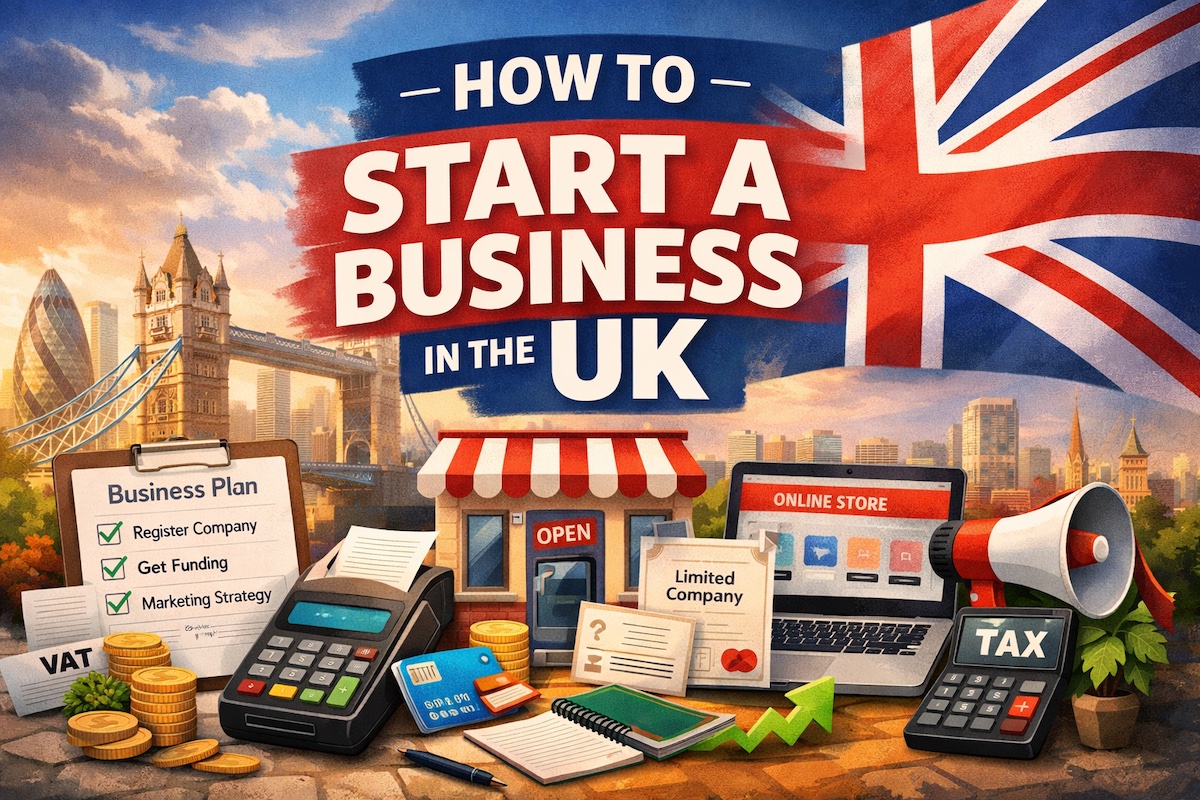
Starting a business in the UK is more accessible than ever—but success depends on making the right decisions early. Whether you're launching in London or elsewhere, this guide walks you through the essential steps, tools, and strategies to build a profitable, compliant, and scalable business.
Choose the Right Business Structure
Your legal structure affects tax, liability, and growth potential.
Common UK Business Types:
Sole Trader – Simple setup, full control, personal liability
Limited Company (Ltd) – Separate legal entity, tax-efficient, more credibility
Partnership – Shared responsibilities and profits
Most startups in London opt for a limited company due to tax advantages and professional perception.
Register Your Business
To operate legally, you must register with HMRC and potentially Companies House.
Key Requirements:
Business name registration
VAT registration (if turnover exceeds threshold)
PAYE setup (if hiring staff)
Open a Business Bank Account
Separating personal and business finances is essential for:
Tax reporting
Cash flow management
Professional credibility
Choose a UK bank or fintech provider with low fees and integrations.
💳 Step 4: Get the Right Payment Systems
If you're accepting payments in person or on the go, choosing the right card machine is critical for your business growth.
Best Card Machines for Market Traders
Discover top-rated payment solutions for London traders.
Read Guide →Compare Square, Zettle, SumUp & Teya
Find the best provider for your business needs.
Compare Now →Best Card Machines for Small Businesses
Ideal options for startups and growing SMEs.
View Options →Why This Matters
- ⚡ Faster payments
- 😊 Better customer experience
- 📈 Increased sales conversion
📊 Step 5: Understand Your Finances Early
One of the biggest reasons UK startups fail is poor financial planning. Getting this right early gives you a major advantage.
Working with an accountant helps you:
- ✔️ Improve tax efficiency
- ✔️ Stay compliant with HMRC
- ✔️ Maintain accurate bookkeeping
🌐 Step 6: Build Your Online Presence
In 2026, digital visibility equals business survival. Without it, your business simply won’t compete.
- ✔️ Professional website
- ✔️ Google Business Profile
- ✔️ SEO-optimised content
- ✔️ Paid advertising strategy
📣 Step 7: Create a Marketing Strategy That Converts
SEO
Long-term organic growth
PPC
Instant visibility via Google Ads
Social Media
Build brand awareness
Local SEO
Essential for London businesses
⚖️ Step 8: Stay Compliant with UK Regulations
- 📄 Licences or permits
- 🛡️ Insurance (public liability, professional indemnity)
- 🔒 GDPR compliance for customer data
⭐ Step 9: Focus on Customer Experience
🚀 Step 10: Scale Strategically
Once your business is stable, focus on smart, sustainable growth:
⚠️ Common Mistakes to Avoid
📍 Why London Is Ideal for Startups
- 🌆 Access to a large customer base
- 🏢 Strong business infrastructure
- 🤝 Networking opportunities
- 🌍 Global market exposure
🏁 Final Thoughts
Starting a business in the UK is a structured but rewarding journey. With the right setup, financial planning, and marketing strategy, you can build a sustainable and profitable venture.
❓ Frequently Asked Questions
It can cost as little as £12 to register a company, but realistic startup costs range from £500 to £5,000 depending on your industry.
Not legally, but working with an accountant helps ensure compliance, tax efficiency, and accurate financial management.
A limited company is often the best option for scalability, credibility, and tax efficiency, especially for growing businesses.
Yes, many small businesses start as sole traders due to simplicity, then transition to limited companies as they grow.