
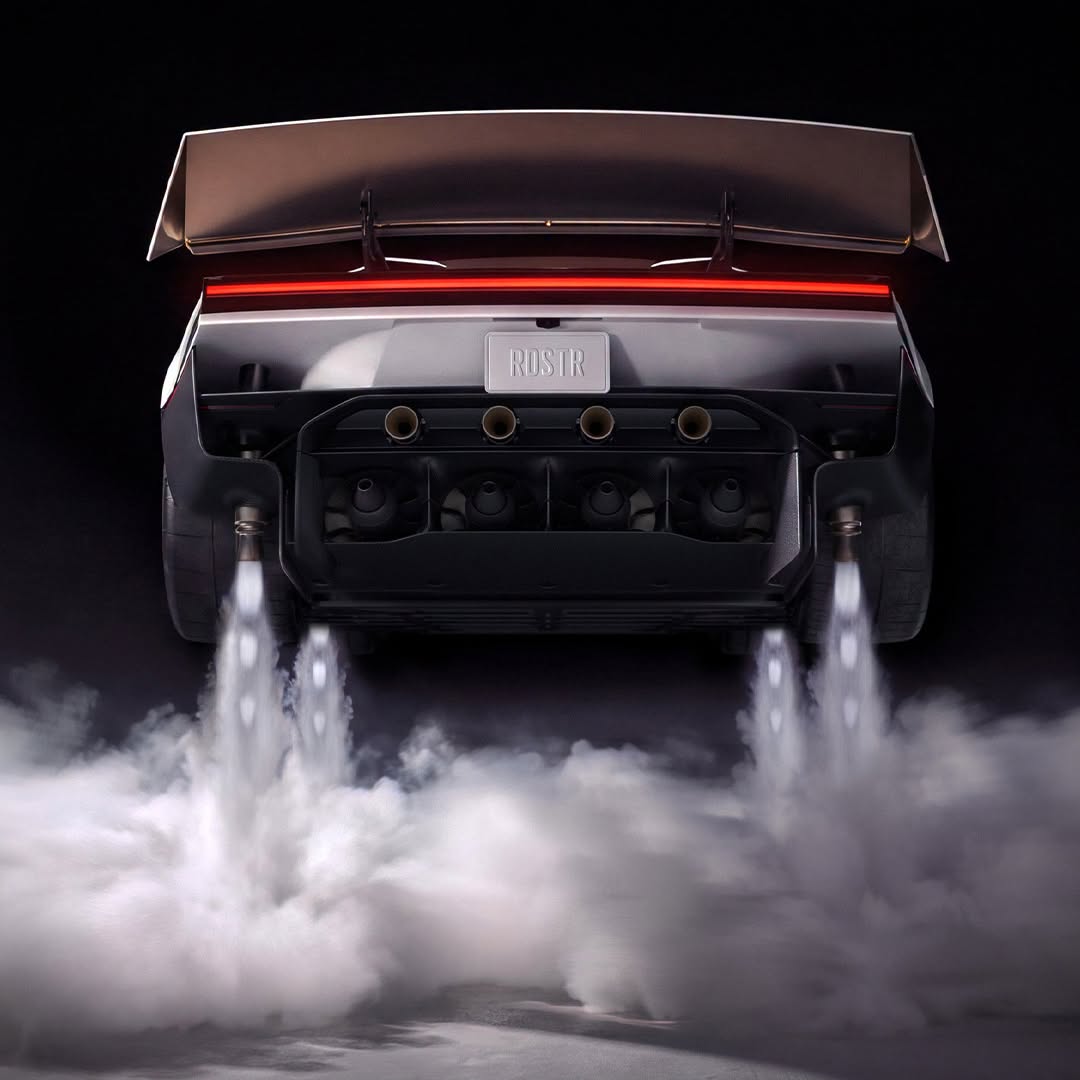
New Tesla Roadster Revealed: Can This Flying Electric Hypercar Rewrite the Rules of Speed?
Sub-One-Second 0–60 mph: A New Benchmark for Acceleration?The wait for Tesla’s next-generation Roadster has taken years, but the electric sports car is finally back in the spotlight. Unveiled on 15 October 2026, the redesigned Roadster combines extreme acceleration claims with SpaceX-inspired thruster technology that takes the idea of a high-performance car to an entirely new level. Reuters
At OV Blog, we follow the latest developments in automotive technology, electric vehicles and performance motoring. This latest reveal is one of the most extraordinary stories in the EV world — but how much of the excitement could translate into a practical production car?
Here is what we know about the new Tesla Roadster, its performance ambitions, the remarkable Rocket variant and the expected route to production.
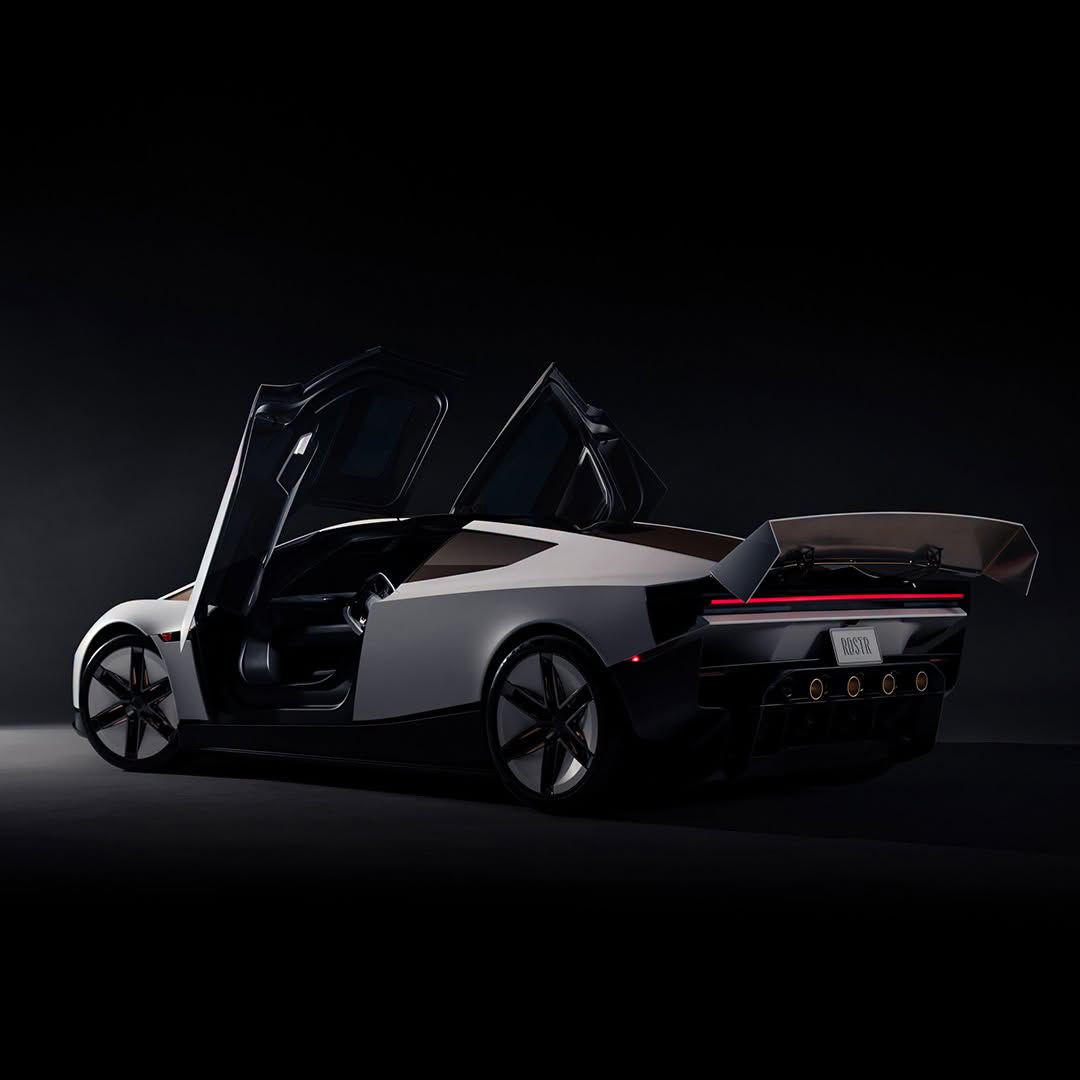
Sub-One-Second Acceleration: A New Benchmark for Speed?
Tesla's next-generation Roadster promises to challenge everything we expect from an electric performance car. But can its extraordinary acceleration claims translate into real-world performance?
Let's start with the headline-grabbing performance claim: Tesla says the Roadster's most extreme configuration could accelerate from 0 to 60 mph in under one second.
That is an extraordinary target, even in a world where electric vehicles have transformed expectations of acceleration.
Unlike conventional petrol-powered supercars, electric vehicles can deliver substantial torque almost instantly. An advanced all-wheel-drive system can distribute power between the wheels to maximise traction, while sophisticated electronics help control wheelspin and acceleration.
However, achieving a sub-one-second sprint is a different challenge. Tyre grip, road conditions, vehicle weight and the method used to measure acceleration all matter. Tesla's demonstration and performance claims will need to be distinguished from independently verified production-car results.
Tesla has also highlighted a top speed exceeding 230 mph (370 km/h) for the redesigned Roadster. If the production model delivers on its stated ambitions, it could compete in the rarefied world of electric hypercars.
The crucial question is whether these headline figures will be achievable in a customer vehicle under repeatable, real-world conditions.
The Rocket Variant: A Car That Can Leave the Ground?
The most surprising part of the Roadster reveal is its connection with SpaceX technology.
Tesla showcased a version of the vehicle equipped with cold-gas thrusters, demonstrating manoeuvres that would be unthinkable for a conventional road car. The demonstration included lifting into the air and performing dramatic aerial movements.
Performance
The road-focused version, designed to deliver extreme acceleration and handling.
Thrust
A specialised configuration featuring thrusters intended to push acceleration beyond conventional limits.
Rocket
An exclusive, single-seat version featuring a more extensive thruster system and flight-like capabilities.
The Rocket variant is undoubtedly the most eye-catching proposition. However, there is an important distinction between demonstrating a vehicle's ability to lift off the ground and establishing that it can operate safely and legally as a flying road vehicle.
Tesla has indicated that the Rocket version is not approved for public-road use. The thruster technology also raises questions about safety, practical usability, operating restrictions and the engineering required to bring such a system into regular service.
Futuristic Design and a Driver-Focused Interior
The new Roadster's exterior and performance technology have attracted much of the attention, but its interior will also be an important part of the ownership experience.
Tesla is known for minimalist cabins, digital interfaces and streamlined dashboard layouts. The Roadster is expected to continue that design philosophy while prioritising the needs of drivers seeking a focused sports-car experience.
Potential highlights include a modern digital interface, a sculpted cockpit, advanced vehicle controls and a dramatic glass-roof design. The original next-generation Roadster concept was presented as a four-seat electric sports car, but the newly announced configurations differ, with the Rocket version designed for a single occupant.
Final production specifications will determine exactly how the cabin, seating arrangements, visibility and everyday practicality compare with rival performance cars.
After all, a hypercar needs to deliver more than impressive acceleration figures. Driver comfort, build quality, visibility and ease of use will all influence its appeal.
Tesla Roadster: Key Details at a Glance
Here is a quick overview of the announced performance targets, proposed variants and expected production timeline.
| Feature | Current information |
|---|---|
| Vehicle type | All-electric performance sports car |
| Acceleration | Under one second from 0–60 mph claimed for the extreme configuration |
| Top speed | More than 230 mph claimed |
| Powertrain | Electric drive with specialised thruster technology on selected versions |
| Variants | Performance, Thrust and Rocket |
| Rocket configuration | Single-seat design with flight-like thruster capabilities |
| Expected production | 2028, according to Tesla's announcement |
| Reservations | Opened for selected configurations, subject to current terms |
These are announced specifications and plans, not a guarantee that every feature will appear unchanged in final customer vehicles. Production timing, final pricing, certification and real-world performance remain important considerations.
When Will the New Tesla Roadster Be Available?
For prospective buyers, the biggest question is when the Roadster will actually reach customers.
Tesla has indicated that production is expected to begin in 2028. That is an important milestone for a vehicle first introduced as a next-generation concept in 2017, after several changes to its anticipated timeline.
Reservations are available through Tesla for selected configurations. Reported reservation deposits are $50,000 for the Performance version and $250,000 for the Thrust version, while the Rocket variant is invitation-only. These deposits should not be confused with the final purchase price.
Anyone considering a reservation should review Tesla's current terms carefully, including refund conditions, delivery expectations and the possibility that final specifications may change.
How Does the Roadster Fit into the Future of Electric Performance Cars?
The electric performance-car market is becoming increasingly competitive. Manufacturers are exploring more powerful electric drivetrains, advanced battery technology, sophisticated torque control and aerodynamic improvements to extract greater performance from their vehicles.
The Roadster takes a more dramatic approach by combining conventional electric propulsion with aerospace-inspired technology.
If Tesla can deliver the promised performance while maintaining reliability, safety and usable driving range, the Roadster could become a significant showcase for the company's engineering ambitions.
However, extraordinary acceleration and spectacular demonstrations are only part of the equation. Buyers will also want to know about charging times, battery durability, range at high speeds, maintenance costs and how the car behaves on ordinary roads.
Those details will help determine whether the Roadster becomes a genuinely practical hypercar or remains primarily a technological statement.
Final Verdict: The Most Insane Performance Car Yet?
The redesigned Tesla Roadster is certainly one of the most ambitious electric performance cars announced in recent years. Its claimed sub-one-second acceleration, extreme top-speed target and SpaceX-inspired Rocket configuration have created a compelling story for car enthusiasts.
But the real test is still ahead.
Tesla must turn its demonstrations and performance claims into a production vehicle that meets safety requirements and delivers a consistent ownership experience. With production expected in 2028, there is still time for specifications and plans to evolve.
For now, the Roadster is a fascinating glimpse into a possible future for electric performance — one in which the boundaries between automotive and aerospace engineering become increasingly blurred.
Would you choose a conventional high-performance EV, or does the idea of a thruster-equipped hypercar capture your imagination? Share your thoughts in the comments and keep following OV Blog for more automotive news, EV developments, leasing updates and new-car reveals.