
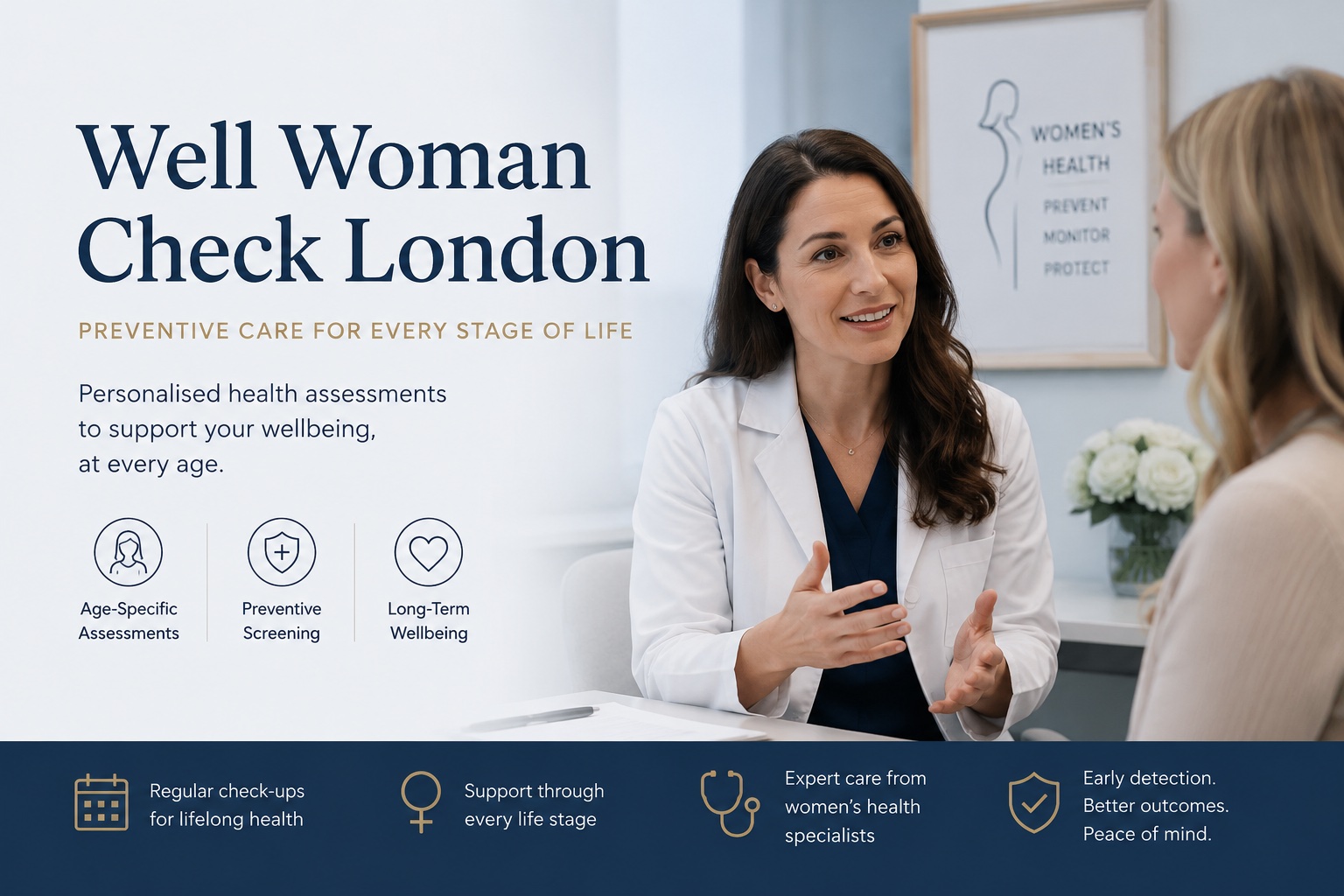
Women's Health Screening at Every Stage of Life
Your 20s, 30s, 40s and BeyondWomen's health needs evolve throughout life. From reproductive health concerns in your twenties to hormonal changes and increased health screening requirements in your forties and beyond, regular check-ups play an important role in maintaining overall wellbeing.
Many health conditions can develop without obvious symptoms, which is why preventive healthcare remains one of the most effective ways to identify potential issues early and support long-term health.
Why Preventive Women's Healthcare Matters
Routine health assessments provide an opportunity to discuss concerns, review lifestyle factors, and identify risks before they become more serious problems.
✓ Cervical Screening
Early detection and routine monitoring of cervical health.
✓ Breast Health Assessment
Regular checks to support long-term breast health awareness.
✓ Hormonal Health Evaluation
Identify potential hormonal imbalances affecting wellbeing.
✓ Sexual Health Screening
Confidential testing and advice tailored to your needs.
✓ Blood Pressure Monitoring
An important indicator of cardiovascular health.
✓ Weight & Lifestyle Assessment
Support for maintaining a healthy and balanced lifestyle.
✓ Family Medical History Review
Understanding inherited health risks and screening needs.
Regular screening helps women make informed decisions about their health while offering reassurance and professional guidance tailored to their stage of life.
Women's Health at Every Stage of Life
Your healthcare priorities change throughout life. Regular reviews help identify potential concerns early while supporting long-term wellbeing.
Women's Health in Your 20s
Your twenties are often associated with good health, but this is an important time to establish healthy habits and monitor reproductive wellbeing.
Common areas of focus include:
- Menstrual health
- Contraception advice
- Cervical screening
- Sexual health testing
- Polycystic Ovary Syndrome (PCOS)
- Fertility awareness
Many women experience symptoms such as irregular periods, pelvic pain or hormonal concerns during this decade. Early assessment can help identify underlying conditions and provide appropriate treatment.
For younger women looking to take a proactive approach to their health, a dedicated Well Woman Check in Your 20s can provide valuable insights and personalised advice.
Women's Health in Your 30s
The thirties often bring changing priorities, including family planning, pregnancy considerations and increasing career demands.
Health discussions may focus on:
- Fertility assessments
- Pregnancy planning
- Hormonal balance
- Weight management
- Mental wellbeing
- Ongoing cervical screening
Even if you feel healthy, regular reviews can help ensure any developing concerns are identified promptly.
Women's Health Over 40
As women enter their forties, the risk of certain health conditions gradually increases. Hormonal fluctuations may begin before menopause, leading to symptoms that can affect daily life.
Important areas to monitor include:
- Perimenopause symptoms
- Breast health
- Cardiovascular health
- Bone health
- Thyroid function
- Hormonal changes
Many women report symptoms such as fatigue, sleep disturbances, mood changes and irregular periods during this stage of life. A structured assessment can help identify the cause and determine whether treatment or further investigation is needed.
Women seeking age-specific preventive healthcare may benefit from a dedicated Well Woman Check for Women Over 40.
What Happens During a Well Woman Check?
A well woman assessment is tailored to individual health needs, medical history and age-related risk factors.
The aim is to provide a complete overview of your health while identifying any areas that may require further attention.
Prioritising Your Long-Term Health
Preventive healthcare is not only about detecting illness. It is also about understanding your body, reducing future health risks and gaining confidence in your wellbeing.
Whether you are in your twenties, thirties, forties or beyond, regular assessments can help you stay informed and proactive about your health.
For women seeking comprehensive preventive healthcare, a Well Woman Check in London offers a personalised approach to monitoring and maintaining long-term health.
Well Woman Check FAQs
Find answers to some of the most common questions about well woman checks, preventive health screening and women's healthcare at different stages of life.
How often should women have a well woman check?
The frequency depends on your age, medical history and risk factors. Many women benefit from annual reviews, although your clinician may recommend a different schedule based on your individual healthcare needs.
What age should I start having well woman checks?
Women can benefit from preventive health assessments from their twenties onwards, particularly if they have concerns about menstrual health, contraception, fertility planning or a family history of certain health conditions.
Are well woman checks only for women with symptoms?
No. Well woman checks are designed for both symptomatic and asymptomatic women and focus heavily on prevention, early detection and maintaining long-term health and wellbeing.
What tests are included in a well woman check?
This varies between individuals but may include blood tests, cervical screening, hormone assessments, breast examinations, lifestyle reviews and general health evaluations depending on your age and medical history.
Can a well woman check help with menopause symptoms?
Yes. Women experiencing perimenopausal or menopausal symptoms can discuss their concerns during their appointment and undergo appropriate investigations where necessary. This may help identify hormonal changes and support personalised treatment recommendations.
Explore Related Women's Health Resources
Well Woman Check London
Learn more about comprehensive preventive health screening for women.
Well Woman Check in Your 20s
Understand the key health checks and screenings recommended for younger women.
Well Woman Check for Women Over 40
Discover age-specific health assessments and screening recommendations.